Choosing between fixed and variable interest rates can affect how much you repay each month and the total cost of borrowing. A difference of just 1% or 2% may seem small initially, but its impact can become substantial over a longer loan tenure.
Whether you are comparing a mortgage or considering a personal loan in Singapore, understanding how interest rates work can help you make an informed borrowing decision. The interest rate structure, repayment period and applicable fees all influence what you ultimately pay.
What is a Fixed Interest Rate?
A fixed interest rate remains unchanged for an agreed period, allowing borrowers to predict their repayments without worrying about fluctuations in market interest rates. This makes budgeting easier, particularly for those managing several financial commitments.
For example, a mortgage offering a fixed rate of 3% for three years will maintain that interest rate throughout the agreed period, even if market rates increase to 4% or 5%.
However, fixed mortgage rates do not necessarily remain unchanged for the entire loan tenure. In Singapore, many fixed-rate housing loan packages offer an initial fixed period before switching to a floating rate or another applicable rate structure.
Before accepting a fixed-rate package, check:
- Fixed-rate period: How long the agreed interest rate remains unchanged.
- Reversion rate: What interest rate applies when the fixed period ends.
- Lock-in period: Whether early repayment or refinancing attracts penalties.
- Additional charges: Any administrative, legal or refinancing fees.
For housing loans, borrowers should also review the Residential Property Loan Fact Sheet, which provides important details about the loan package and potential repayment changes.
How Do Variable Interest Rates Work?
A variable interest rate, also known as a floating rate, changes according to an underlying benchmark or reference rate. When that rate increases, borrowers may face higher repayments, while falling rates can reduce borrowing costs.
In Singapore, many floating-rate housing loans are linked to the Singapore Overnight Rate Average (SORA). The interest rate generally consists of the benchmark plus a spread charged by the bank.
For example, a loan may be priced as:
3-month compounded SORA + 0.80% spread
If the applicable SORA increases, the overall interest rate rises accordingly. The actual timing of repayment adjustments depends on the loan’s reset schedule and contractual terms.
MoneySense provides guidance on SORA-linked housing loans and how changes in benchmark rates affect borrowers.
What Should You Check Before Choosing a Variable Rate?
Pay attention to the following conditions:
- Reference rate: Whether the loan follows SORA or another benchmark.
- Interest spread: The additional percentage charged above the benchmark.
- Reset frequency: How often the interest rate is reviewed or adjusted.
- Repayment flexibility: Whether the loan permits early repayment or refinancing without significant penalties.
Variable-rate packages may offer savings when market interest rates decline, but borrowers need sufficient financial flexibility to manage potential increases.
Fixed vs Variable Interest Rates: Key Differences
Both interest rate structures have advantages and limitations. Their suitability depends on your repayment capacity, financial commitments and expectations about future interest rates.
|
Factor |
Fixed Interest Rate |
Variable Interest Rate |
| Rate stability | Remains unchanged during the fixed period | Changes according to the applicable benchmark |
| Monthly repayments | Generally predictable during the fixed period | May increase or decrease |
| Rising interest rates | Protected during the fixed period | Repayments may increase |
| Falling interest rates | No automatic benefit during the fixed period | May benefit from lower rates |
| Budget planning | Easier to plan ahead | Requires greater financial flexibility |
| Main consideration | Rate applicable after the fixed period | Exposure to future rate changes |
When Does a Fixed Rate Make Sense?
A fixed-rate package may be suitable if your monthly budget has limited flexibility or you prefer knowing how much you need to repay throughout an agreed period.
It can be particularly useful when borrowing costs are expected to increase, although future interest rate movements are never guaranteed.
When Does a Variable Rate Make Sense?
Variable rates may appeal to borrowers who have sufficient savings to absorb higher monthly repayments and are comfortable with interest rate fluctuations.
However, a lower starting rate does not automatically mean lower overall borrowing costs. The outcome depends on future interest rate movements, fees and the duration of the loan.
How a 1% or 2% Interest Rate Change Affects Your Repayments
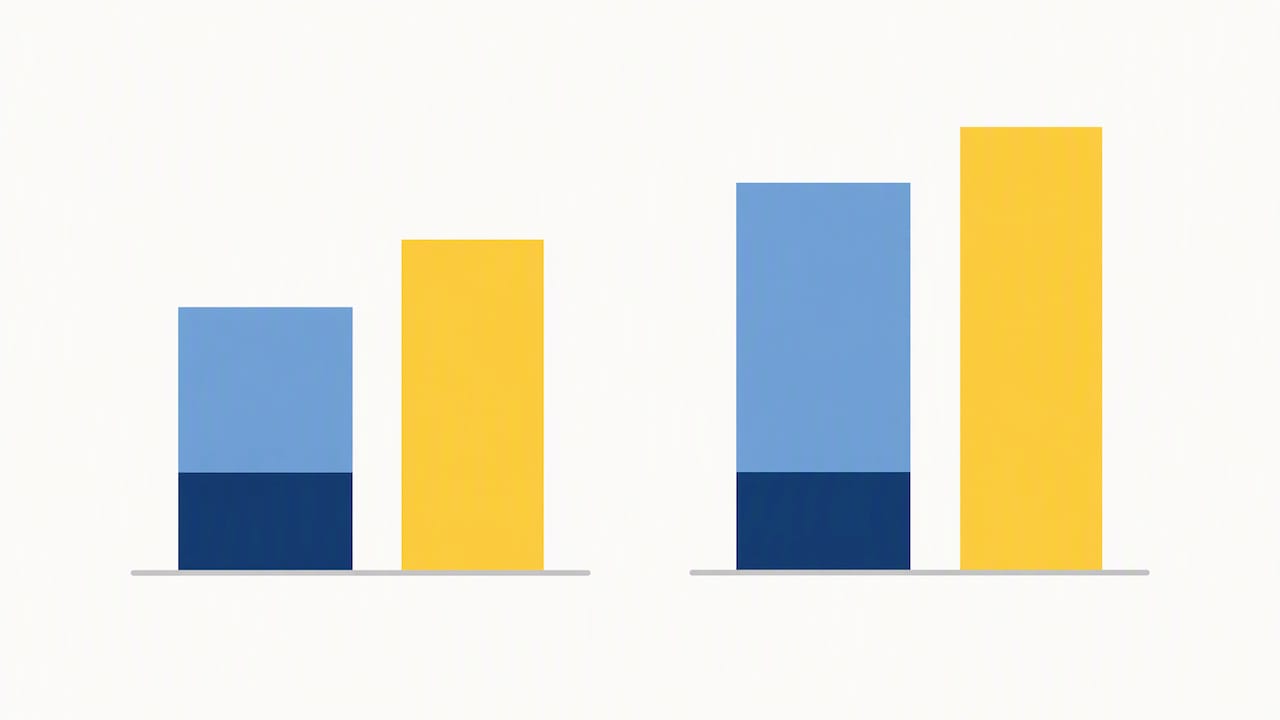
Even relatively small interest rate changes can produce noticeable differences in monthly repayments, particularly for large loans with long repayment periods.
Consider a hypothetical S$300,000 housing loan with a 25-year repayment tenure.
|
Interest Rate |
Monthly Repayment |
Difference From 3% |
| 3% | S$1,423 | Baseline |
| 4% | S$1,584 | +S$161 |
| 5% | S$1,754 | +S$331 |
Figures are rounded and assume a fully amortising loan with the stated interest rate applying throughout the 25-year tenure. They are illustrative rather than actual lender quotations.
What Happens When Interest Rates Rise by 1%?
At 3% annual interest, the monthly repayment is approximately S$1,423. Increasing the rate to 4% raises the monthly instalment to approximately S$1,584.
That represents an additional S$161 per month, or approximately S$1,932 annually, based on the rounded figures.
What Happens When Interest Rates Rise by 2%?
If the interest rate increases from 3% to 5%, the monthly repayment rises to approximately S$1,754. This adds approximately S$331 to the monthly repayment, equivalent to S$3,972 annually.
For households with existing financial commitments, an increase of this size could affect savings, discretionary spending and emergency reserves.
Actual repayments following a rate adjustment will depend on the outstanding principal, remaining loan tenure and the lender’s calculation method. The examples above compare complete repayment schedules at different constant interest rates.
What Should You Compare Beyond the Interest Rate?
The advertised interest rate is only one component of a loan’s total cost. Fees, repayment schedules and interest calculation methods can significantly affect the amount borrowers eventually pay.
Effective Interest Rate (EIR)
The Effective Interest Rate reflects the impact of repayment timing and compounding, helping borrowers compare the costs of differently structured loans.
For personal loans, comparing EIR can be particularly useful when lenders advertise different nominal or flat interest rates. However, borrowers should also check which fees are included in the calculation and whether additional charges apply.
Loan Fees and Early Repayment Charges
Depending on the loan product, additional costs may include processing fees, administrative charges, legal fees or early repayment penalties.
Mortgage borrowers should pay particular attention to lock-in periods and refinancing charges, while personal loan borrowers should examine the applicable contractual fees and repayment conditions.
Total Repayment Amount
A longer repayment period may reduce monthly instalments but increase total interest paid. Comparing the total amount repayable helps determine whether a loan remains affordable over its full tenure.
For housing loans, the MAS Residential Property Loan Fact Sheet and related mortgage-pricing disclosures provide additional information about repayment illustrations, loan terms and applicable charges.
How to Choose Between Fixed and Variable Interest Rates
Selecting an interest rate structure requires more than comparing the lowest available percentage. Consider how the loan would affect your finances under different repayment scenarios.
1. Assess Your Monthly Repayment Capacity
Calculate how much income remains after covering essential expenses, existing debts and regular savings.
For example, if your monthly take-home income is S$4,000 and your existing expenses total S$3,000, you have S$1,000 remaining. A loan repayment that increases unexpectedly could substantially reduce this financial buffer.
2. Consider Your Financial Stability
Borrowers with stable income and sufficient emergency savings may be better positioned to manage variable repayments.
If your income fluctuates or you have limited savings, predictable repayments may make financial planning more manageable.
3. Review Your Loan Tenure
The longer your repayment period, the greater your potential exposure to interest rate changes under a variable-rate structure.
For borrowers considering refinancing, review the remaining loan tenure alongside any lock-in conditions and switching costs.
4. Compare Different Interest Rate Scenarios
Before choosing a variable-rate loan, use a loan calculator to estimate repayments under different interest rates.
Testing increases of 1% and 2% can help you understand whether your budget could withstand higher monthly instalments.
5. Check the Loan Agreement Carefully
Confirm the interest calculation method, repayment schedule, applicable fees and conditions for early repayment.
For a fixed-rate mortgage, it is also worth reviewing the package before the fixed period expires, giving you time to assess refinancing or repricing options.
Choosing the Right Loan Repayment Structure in Singapore
Understanding fixed and variable interest rates helps borrowers evaluate repayment stability and borrowing costs. While these structures are especially relevant to mortgages, repayment predictability also matters when considering shorter-term personal loans.
A licensed money lender in Singapore operates under a different lending framework from banks offering SORA-linked mortgages. If you are considering a personal loan, review the contractual interest rate, repayment schedule, fees and total repayment amount rather than assuming mortgage-style interest rate structures apply.
Magnus Credit offers personal loan and other lending options for borrowers assessing their financing needs. Before applying, review the relevant loan terms and consider whether the scheduled repayments fit comfortably within your monthly budget.
Frequently Asked Questions
1. Which Is Better, Fixed or Variable Interest Rate?
A fixed interest rate may be preferable if you want predictable repayments and protection against rate increases during the fixed period. Variable interest rates may be suitable if you can tolerate repayment fluctuations and potentially benefit when market rates fall.
The better choice depends on your financial circumstances, loan tenure and ability to manage changes in borrowing costs.
2. Can Personal Loan Interest Rates Change During Repayment?
Whether a personal loan’s interest rate can change depends on the terms of the loan agreement. Some loans have a fixed contractual interest rate, while other lending products may use variable-rate arrangements.
When borrowing from a licensed money lender in Singapore, confirm the applicable interest rate and charges before signing. Licensed moneylenders are subject to specific interest rate and fee limits under Singapore’s moneylending regulations.
3. How Does a 1% Increase in Interest Rate Affect Monthly Repayments?
The impact depends on the outstanding loan amount, repayment tenure and calculation method. For example, a S$300,000 loan repaid over 25 years would require approximately S$1,423 per month at 3% interest, compared with S$1,584 at 4%, assuming each rate remains unchanged for the entire tenure.
This illustrates why borrowers should test different interest rate scenarios before committing to a long-term variable-rate loan.