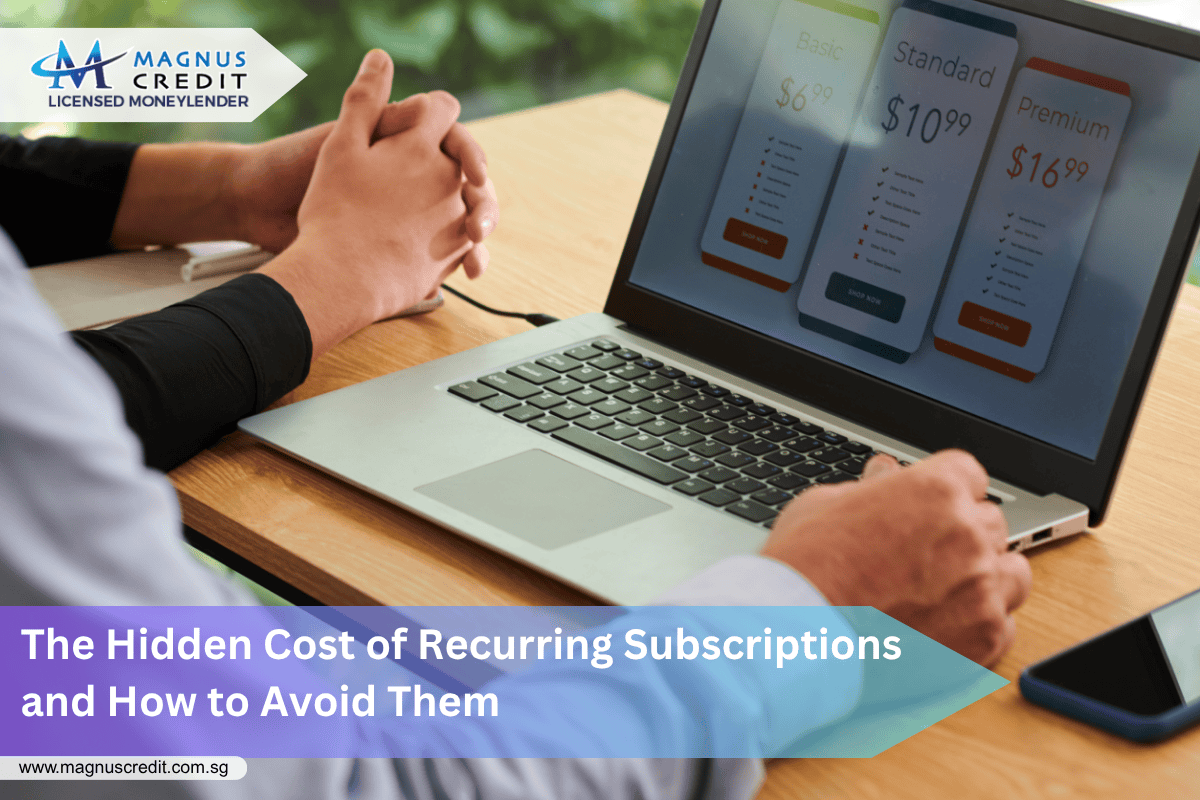
Subscription services have made everyday life more convenient. From video streaming and cloud storage to fitness apps, meal plans, software, and premium memberships, consumers can access countless services for a relatively small monthly fee. However, that convenience can come with a financial downside when payments continue automatically long after a service is no longer needed.
Automatically recurring subscription plans can benefit from consumers forgetting what they signed up for. Some services also make cancellation less straightforward than registration, allowing small charges to quietly accumulate month after month. For people already managing a tight budget or considering options such as a payday loan, identifying these unnecessary expenses can be an important step toward improving cash flow.
Why Recurring Subscription Plans Are Easy to Forget
Signing up for a subscription often takes only a few clicks. Consumers enter their payment details, accept a free trial or introductory offer, and immediately gain access to the service. The problem is that the subscription may automatically renew unless it is actively cancelled.
A single forgotten subscription might not seem significant. But several recurring charges can quickly add up. A streaming platform, cloud storage plan, fitness app, software subscription, and premium delivery membership could collectively become a meaningful monthly expense.
Free trials can be particularly easy to overlook. Consumers may intend to cancel before the trial ends, only to forget the renewal date and discover later that they have already been charged.
Why Some Subscriptions Can Be Difficult to Cancel
Another common frustration is that cancelling can require considerably more effort than signing up. Registration might take seconds, while cancellation could involve navigating several account menus, completing multiple confirmation screens, contacting customer support, or following instructions that are difficult to locate.
Some platforms may also offer discounts or temporary pauses during the cancellation process. These offers are not necessarily problematic, but they can make it easier for consumers to postpone a decision and continue paying for something they rarely use.
Consumers should therefore understand the renewal and cancellation terms before entering a subscription, particularly for services requiring long-term commitments or relatively expensive recurring payments.
Small Monthly Payments Can Become Large Annual Expenses
Recurring payments are particularly effective at blending into everyday spending because each individual charge may appear affordable. A monthly subscription costing a modest amount might not attract much attention when reviewing a bank statement.
The annual cost tells a different story. Multiple subscriptions paid every month can potentially amount to hundreds or even thousands over several years. This is money that could otherwise be directed toward savings, household expenses, debt repayment, or emergency funds.
Reviewing expenses annually is not always enough. Checking recurring charges every few months can make it easier to identify services that are no longer providing sufficient value.
How Subscription Creep Can Affect Your Monthly Budget
Subscription creep occurs when recurring services gradually accumulate over time. Someone might start with two or three essential subscriptions, then add entertainment platforms, productivity software, mobile applications, online memberships, and other services.
Because these expenses are introduced individually, their combined impact can be difficult to notice. This can become more significant when unexpected expenses arise, and there is little room remaining in the monthly budget.
Before borrowing money, including approaching a licensed money lender in Singapore, consumers should consider whether unnecessary recurring expenses can first be reduced. Cancelling unused services will not solve every financial challenge, but it can free up money that would otherwise disappear automatically every month.
How to Take Control of Recurring Subscription Expenses
Taking a few simple steps can help prevent forgotten subscriptions from quietly eating into your monthly budget:
- Review your bank and credit card statements: Check transactions from the past three to six months and identify recurring charges, especially smaller payments that are easy to overlook.
- List all active subscriptions: Make a list of everything you currently pay for. If you have not used a service for several months, consider cancelling or downgrading it.
- Turn off automatic renewal: Where possible, disable auto-renewal so you can decide whether a service is still worth paying for before the next billing period.
- Set reminders for free trials: Add calendar reminders a few days before free trials or annual memberships expire to avoid unexpected charges.
- Keep cancellation records: Save confirmation emails or screenshots after cancelling a subscription in case you need to dispute a future charge.
- Check the terms before signing up: Before entering your payment details, review the regular price, billing frequency, renewal date, and cancellation procedure, even if the initial trial is free.
Borrowing Should Not Replace Better Expense Management
If recurring subscriptions have contributed to financial pressure, borrowing should not automatically be the first solution. Start by reviewing spending, cancelling unnecessary services, and determining whether upcoming expenses can be postponed or reduced.
A payday loan or other short-term financing option may be considered when there is a genuine urgent cash requirement, but borrowers should understand the repayment terms, interest, and applicable fees before proceeding. Any loan should fit comfortably within a realistic repayment budget.
When borrowing from a licensed money lender in Singapore, consumers should also verify the lender through the Ministry of Law’s official Registry of Moneylenders rather than relying solely on advertisements or unsolicited messages.
Build Better Financial Habits by Reviewing Your Subscriptions
Recurring subscriptions are convenient when they provide genuine and ongoing value. Problems arise when automatic payments allow forgotten or unused services to continue draining money from a household budget.
Regularly reviewing subscriptions, understanding renewal terms, and cancelling services that are no longer useful can help keep monthly expenses under control. Small savings across several subscriptions can become meaningful over time.
If an unexpected expense still creates a short-term financial gap after reviewing your budget, Magnus Credit offers loan options for eligible borrowers in Singapore. As with any form of borrowing, consider your repayment ability carefully, understand the loan terms and costs, and borrow only what you need.
If you like this article, you may want to read this article about 10 Exciting Things to Do in Singapore Without Breaking the Bank.